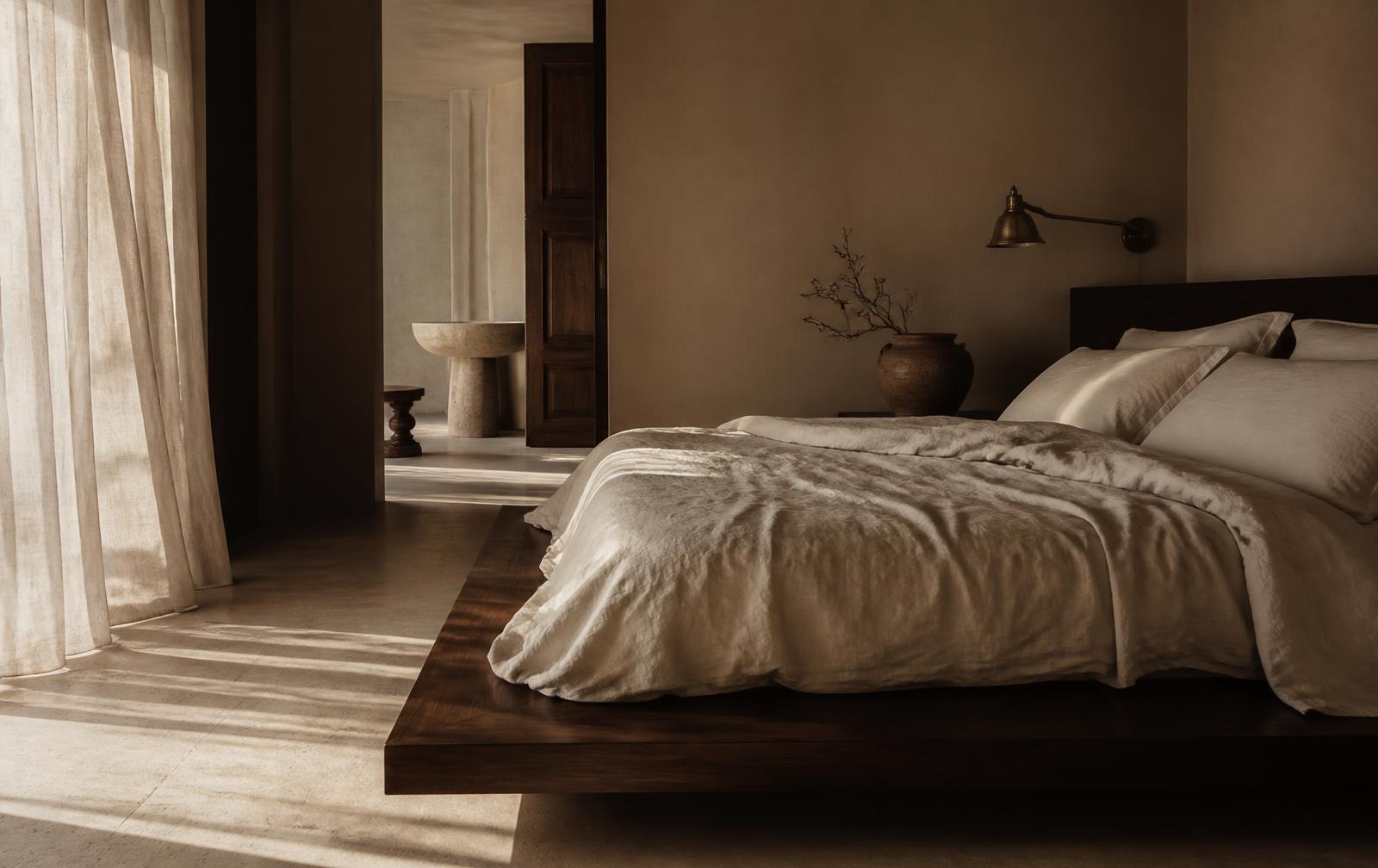
Your body may be keeping a sleep tab you cannot negotiate with.
New research published in Nature has identified wake-activated neuronal populations involved in building sleep pressure: the biological drive that increases the longer we stay awake.
In simple terms, sleepiness is not merely a mood or a lack of discipline. The brain appears to actively accumulate information about time spent awake and use that information to help determine when sleep becomes necessary.
Why INDASHA cares
We tend to treat fatigue as something to override.
Coffee.
Cold showers.
Another meeting.
A better productivity system.
But biological sleep pressure is not particularly interested in your calendar.
Performance culture became very good at extending wakefulness. The more interesting question now is whether we can become equally sophisticated about recovery.
The State
You can postpone sleep. That does not necessarily mean you have cancelled the bill.
02
The Human Operating System
One good night may not erase one very bad one.
A recent neuroimaging study identified a candidate neural signature associated with sleep deprivation across multiple datasets.
One particularly interesting finding: some neural changes remained detectable even after a night of recovery sleep. The researchers also found sensitivity to partial sleep restriction, not merely complete sleep deprivation.
This does not mean that one late night causes permanent damage.
It does suggest something more useful:
Recovery may not always operate like a bank account where eight hours tonight perfectly cancels four hours yesterday.
Your body operates in patterns, not isolated screenshots.
03
Culture
The new Birkin might be getting through the door.
Luxury has spent decades teaching us to want objects.
Now the flex is increasingly access.
Private clubs. Invitation-only wellness spaces. Closed dinners. Members floors. Experiences that cannot simply be added to cart.
Vogue recently described this transition as exclusive access becoming a new form of status signalling.
And this matters far beyond fashion.
When almost everything can be photographed, copied, delivered or purchased online, scarcity moves from ownership to participation.
The valuable thing is no longer necessarily:
I have it.
It is:
I was there.
The INDASHA view
For premium wellness, this is important.
The future probably does not belong to brands selling endless treatments to endless people.
The stronger luxury proposition may be:
fewer people
deeper participation
better environments
more protected attention
Luxury is becoming increasingly experiential.
And perhaps increasingly neurological.
04
Wellness Has Entered The Chat
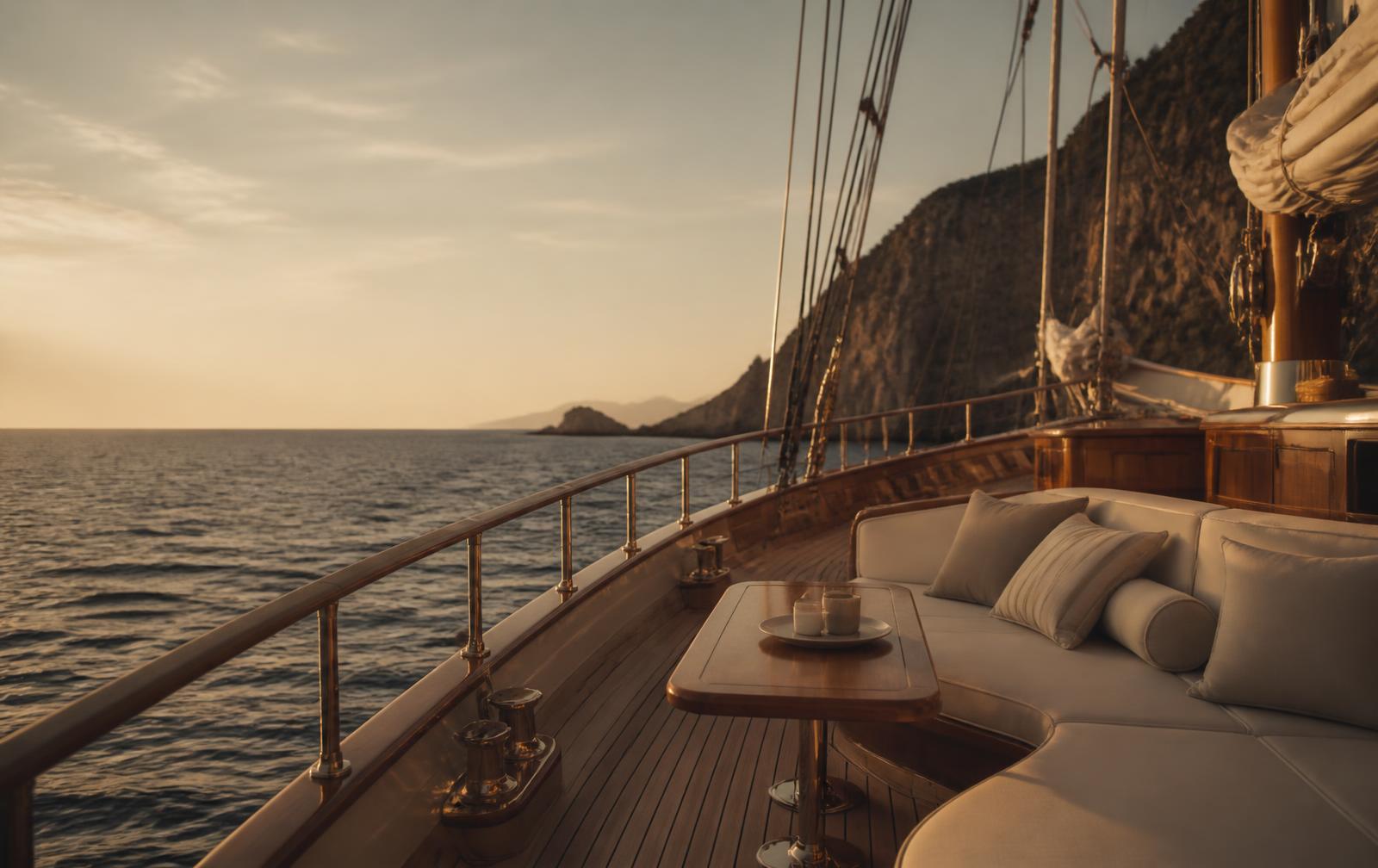
Apparently, even the superyacht needs to recover.
Four Seasons has partnered with longevity clinic Lanserhof for a wellness-focused program aboard Four Seasons I, beginning with an eight-day transatlantic voyage later this year.
The offering includes elements such as breathwork, hydrotherapy, cryotherapy and individualized wellness programming.
The interesting part is not whether every intervention deserves the word longevity.
Some claims within the broader longevity industry remain much stronger than the evidence supporting them.
The interesting part is the cultural signal.
Luxury travel is moving from:
escape
toward:
optimization + restoration + privacy + health.
Ten years ago, luxury hospitality sold indulgence.
Increasingly, it sells the ability to feel like yourself again.
INDASHA approves
Protected time, thoughtful environments and genuine recovery.
INDASHA is skeptical
Attaching the word longevity to every expensive treatment with a pulse.
05
Your Attention Is Not A Machine
Maybe distraction is not the whole problem.
Recent research in Nature Human Behaviour examined fluctuations in arousal and found evidence that changes in arousal can accompany internal state transitions that help people adapt behavior when circumstances change.
That makes the popular obsession with maintaining one perfectly focused state all day look increasingly simplistic.
Human performance is dynamic.
Sometimes the system needs intensity.
Sometimes scanning.
Sometimes sustained attention.
Sometimes disengagement.
The goal may not be to remain permanently “regulated.”
The goal is to become better at changing states when the situation requires it.
That distinction is central to INDASHA.
The practice
The 10-Minute Cognitive Closure
Do this before you finish work.
Minutes 0–3
Write down everything unfinished that is still occupying mental space.
Minutes 3–6
For each important item, define the next concrete action.
Not“Marketing.”
Instead“Approve homepage copy.”
Minutes 6–8
Choose tomorrow's first meaningful task.
Minutes 8–10
Close the inputs.
Email. Tabs. Messages. Documents.
Overheard
Environment changes behavior more reliably than motivational advice.
We keep trying to improve the individual when sometimes the smarter intervention is redesigning the system.
AI governance. Workplace negotiation. Climate behavior.
Different subjects. Similar lesson.
Environment changes behavior more reliably than motivational advice.
INDASHA approves / INDASHA is skeptical
INDASHA approves
Treating sleep as infrastructure rather than a reward for finishing your work.
INDASHA is skeptical
A dashboard containing seventeen recovery metrics becoming the eighteenth thing you feel anxious about.
One thing to think about
We optimized everything except the person doing the optimizing.
Perhaps the next era of performance will not be about extracting more from ourselves.
Perhaps it will be about becoming considerably more intelligent about state.
06
Social posts
Six square, capture-ready designs adapted from this issue. Concise wording, same ink-and-paper system.
Cover
Issue · Fortnightly
The State
Where neuroscience meets ritual.
Five minutes. A better-informed brain.
The State · 01 Sep 2026Neuroscience × Ritual
Cover post — issue opener.
01 / Sleep
Your body may be keeping a sleep tab you cannot negotiate with.
The State
You can postpone sleep. That does not necessarily mean you have cancelled the bill.
The State · 01 Sep 2026Neuroscience × Ritual
Sleep-debt insight — adapted from Section 01.
03 / Culture
The new Birkin might be getting through the door.
Luxury is moving from ownership to access.
The interesting part is what that says about status, attention and modern wellness.
The Indasha State01.09.26
Access-as-luxury cultural observation.
04 / Wellness
Apparently, even the superyacht needs to recover.
INDASHA approves
Protected time, thoughtful environments and genuine recovery.
INDASHA is skeptical
Attaching the word longevity to every expensive treatment with a pulse.
The State · 01 Sep 2026Neuroscience × Ritual
Superyacht wellness — approves / skeptical.
The Practice
The practice
The 10-Minute Cognitive Closure
0–3Write down everything unfinished.
3–6Define the next concrete action.
6–8Choose tomorrow's first meaningful task.
8–10Close the inputs.
Screenshot this. Your evening brain has other things to do.
The State · 01 Sep 2026Neuroscience × Ritual
Cognitive closure practice — save-and-screenshot card.
One Thing
One thing to think about
We optimized everything except the person doing the optimizing.
Perhaps it will be about becoming considerably more intelligent about state.